

The Golden Symphony of the Sun
CALIFORNIA WONDER, LIPSTICK & GOLDEN BELL PEPPERS
In the Netherlands, where daylight stretches long across the summer months, sweet bell peppers thrive under open skies.
Though the country’s climate is mild and sometimes unpredictable, the balance of sun, rain and cool nights creates ideal conditions for slow, steady ripening. Especially for sweet varieties like the golden bell pepper, the red bell pepper and the California Wonder.

Bell peppers begin their journey as small seedlings, often started indoors under grow lights in early spring to protect them from frost. Enough light, a damp enviroment with high humidity and seed starter mix to make the tiny roots come out of the seeds.
Through the rhythm of seasons: seedling, blossom, fruit and harvest, the bell pepper lives in a constant dialogue with the sun. It listens to the dawn, stretches toward noon and rests in the golden hush of evening.
The growers hands may guide it, but it is truly the light that writes its flavor and colors its destiny.
Then they start growing their first set of true leaves and grow up, somehow very slowly from small stems which then grow another set of leaves and then another set of leaves with 3 in the top.
The top stem will devide itself into two and these two branches will divide themselves in two again.
In the stems armpits, tiny flowers will develop bell peppers.

GROWING BRANCHES
Once the plant develops small side branches, you should top them. This will encourage these branches to grow bigger and further.
After two months from transplanting as a sproutling to a cup the plant is ready for topping, so it will grow wider and firmer branches from the start and doesn’t fall over when bearing ripe fruits.
The plant will take its time to split and grow two top branches, each branch will grow out into another set of two branches.

When the danger of cold has passed usually in May, they are transplanted outdoors into well-drained, nutrient-rich soil.
The plants prefer a sunny location and in Dutch gardens and farms alike, rows of young pepper plants soon fill with deep green leaves that catch every possible ray of sunlight.
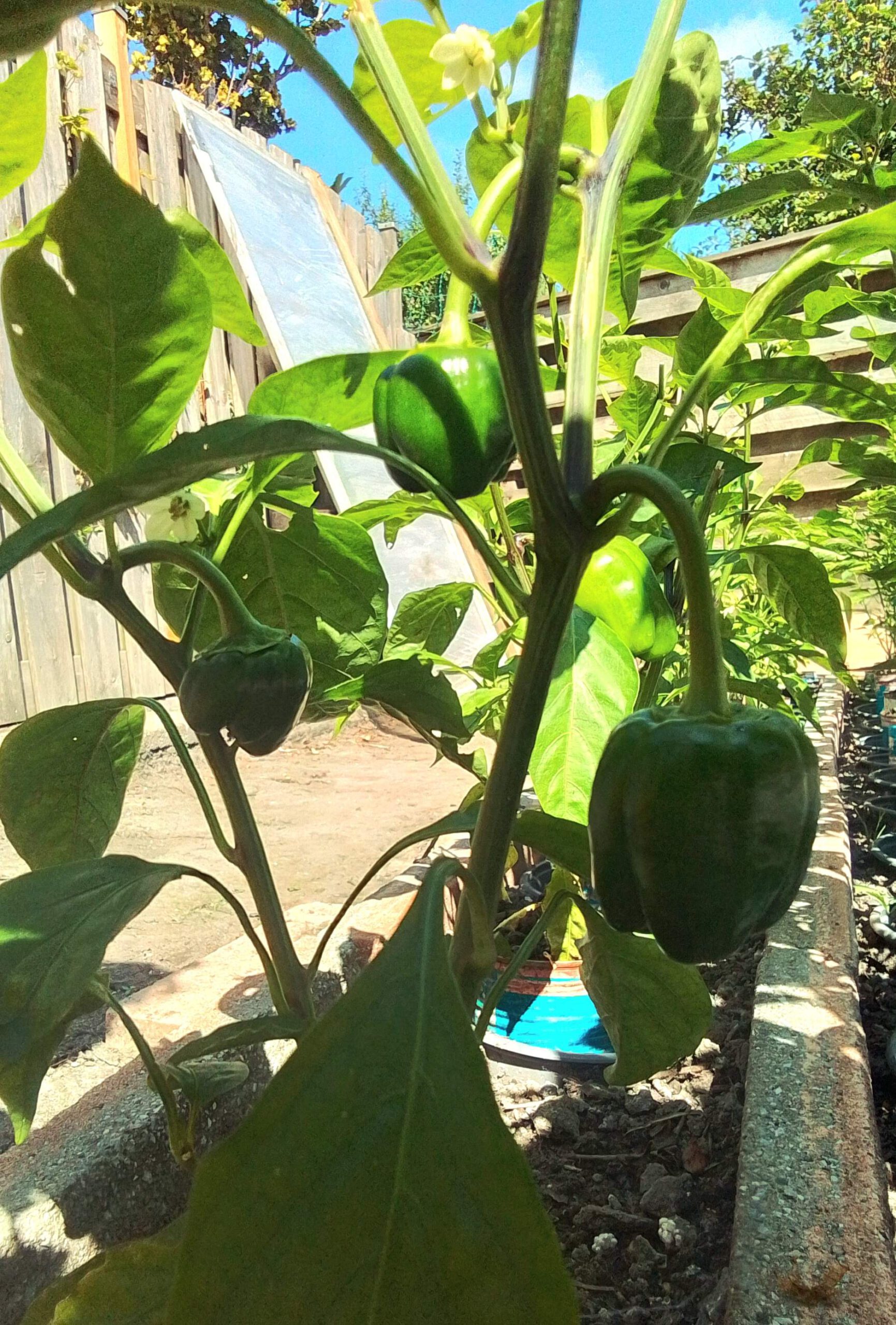
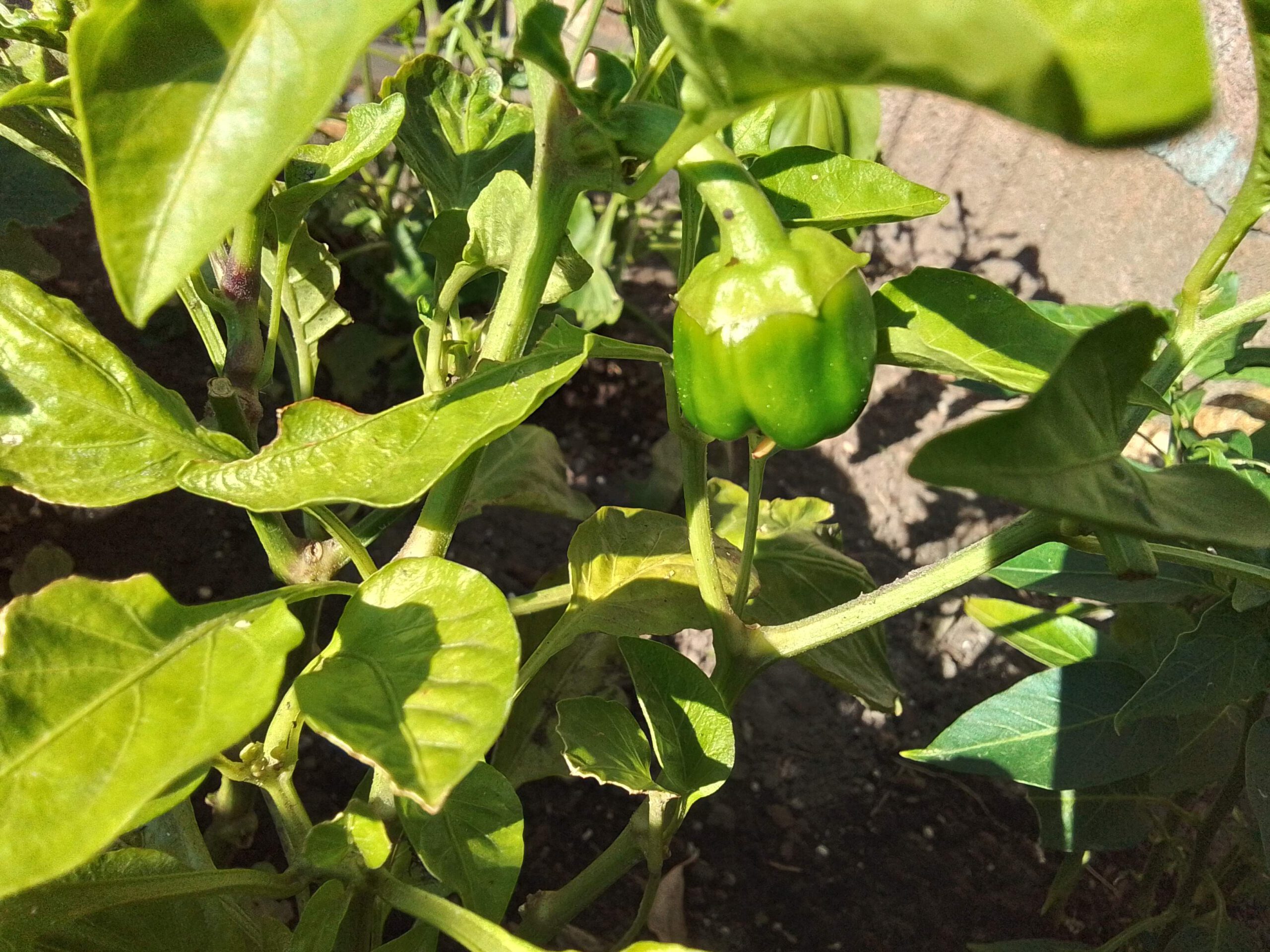
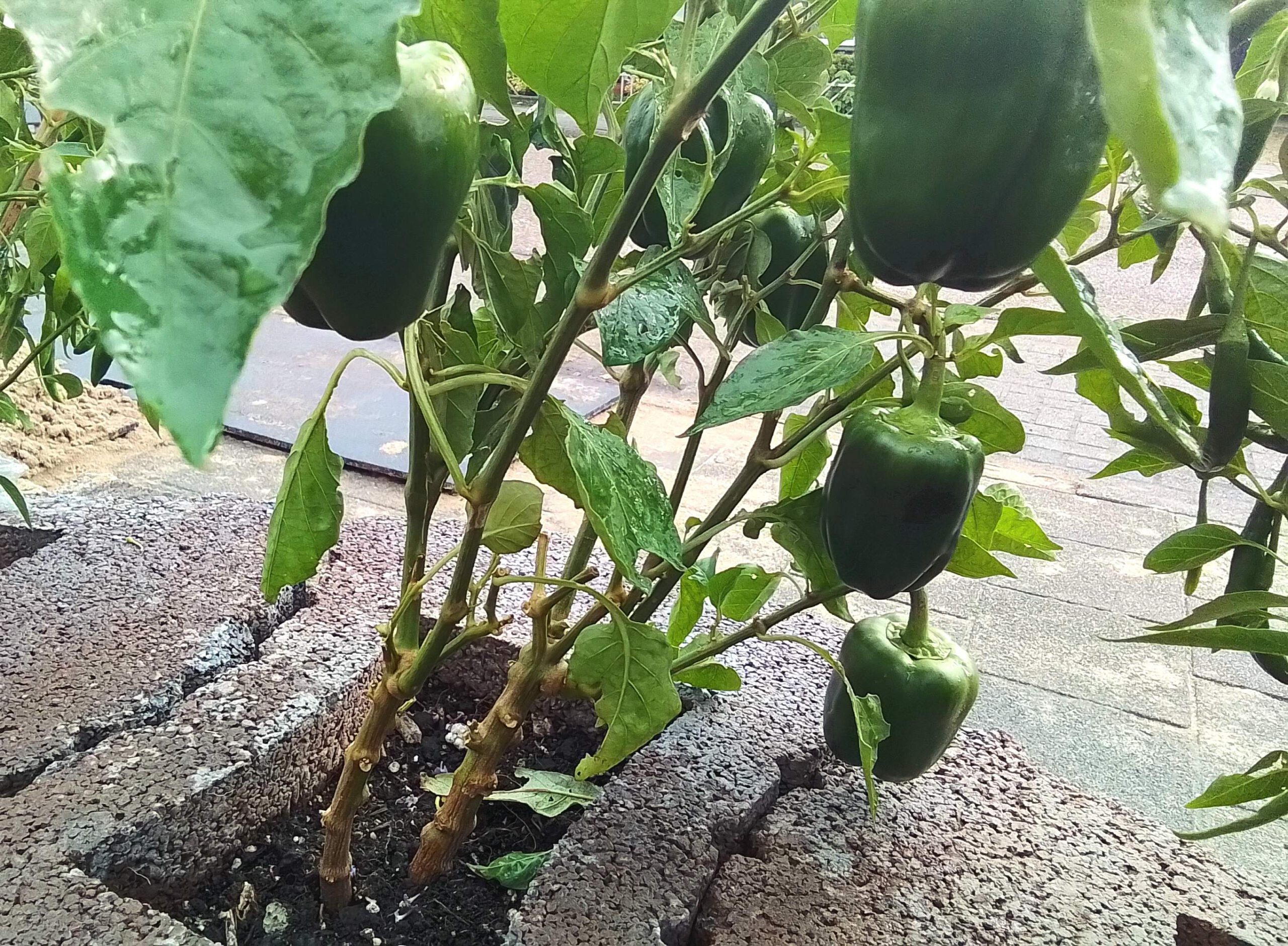
Throughout June and July, the peppers develop their first small white flowers which will develop into, pale-green fruits. Each fruit begins green and as it matures, the transformation in color signals the increasing sweetness.
AN AMERICAN THREESOME
CALIFORNIA WONDER PEPPER
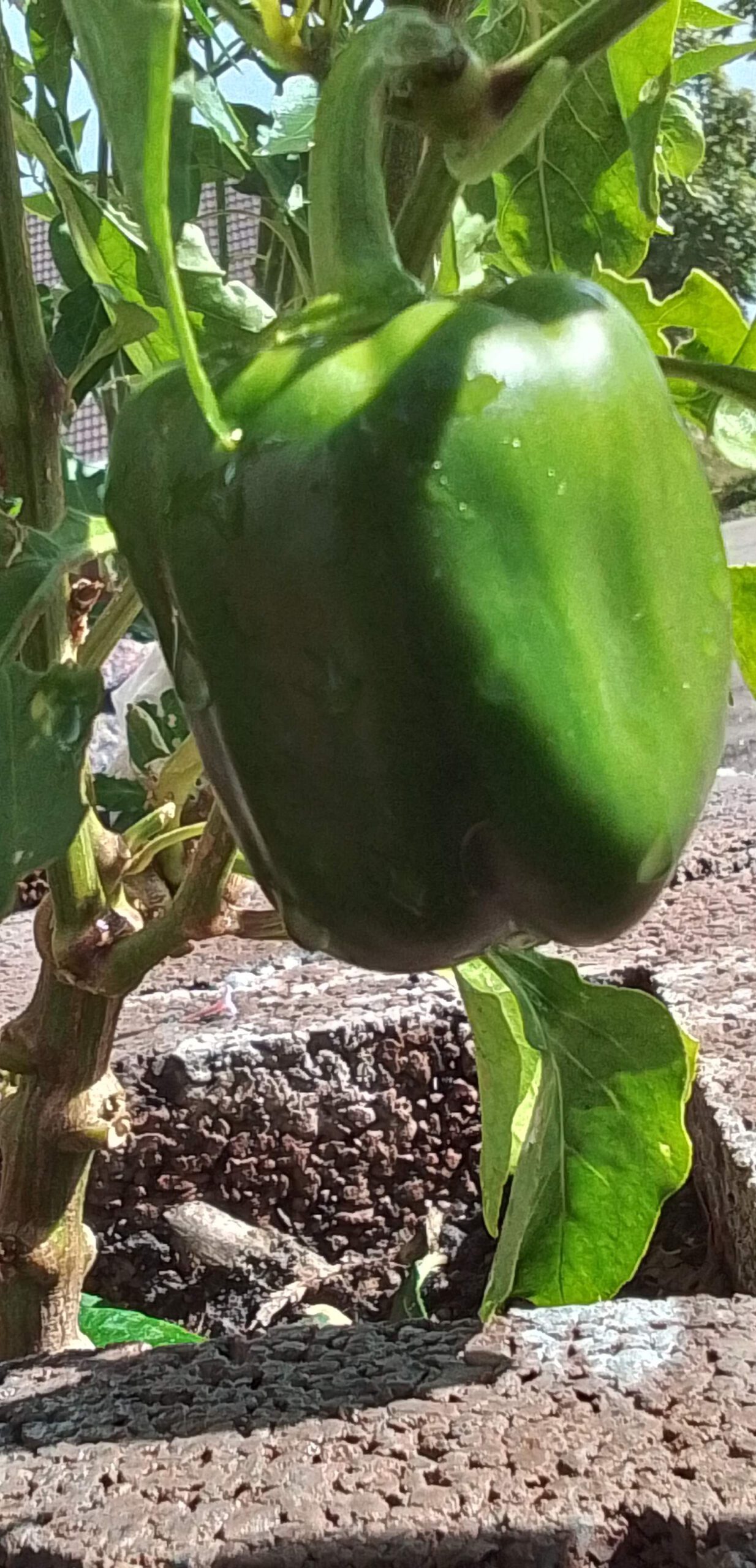
An American heirloom, introduced in the 1920s Californian farmers. A variety especially well-suited to outdoor cultivation shows impressive resilience. It produces large, blocky fruits with thick walls and a classic bell pepper shape.
In Dutch fields, this variety stands out for its reliability and productivity, even when the weather turns cool or cloudy. Gardeners value it for its consistent yield and balanced flavor, which remains sweet whether picked green or allowed to turn red.
LIPSTICK PEPPER
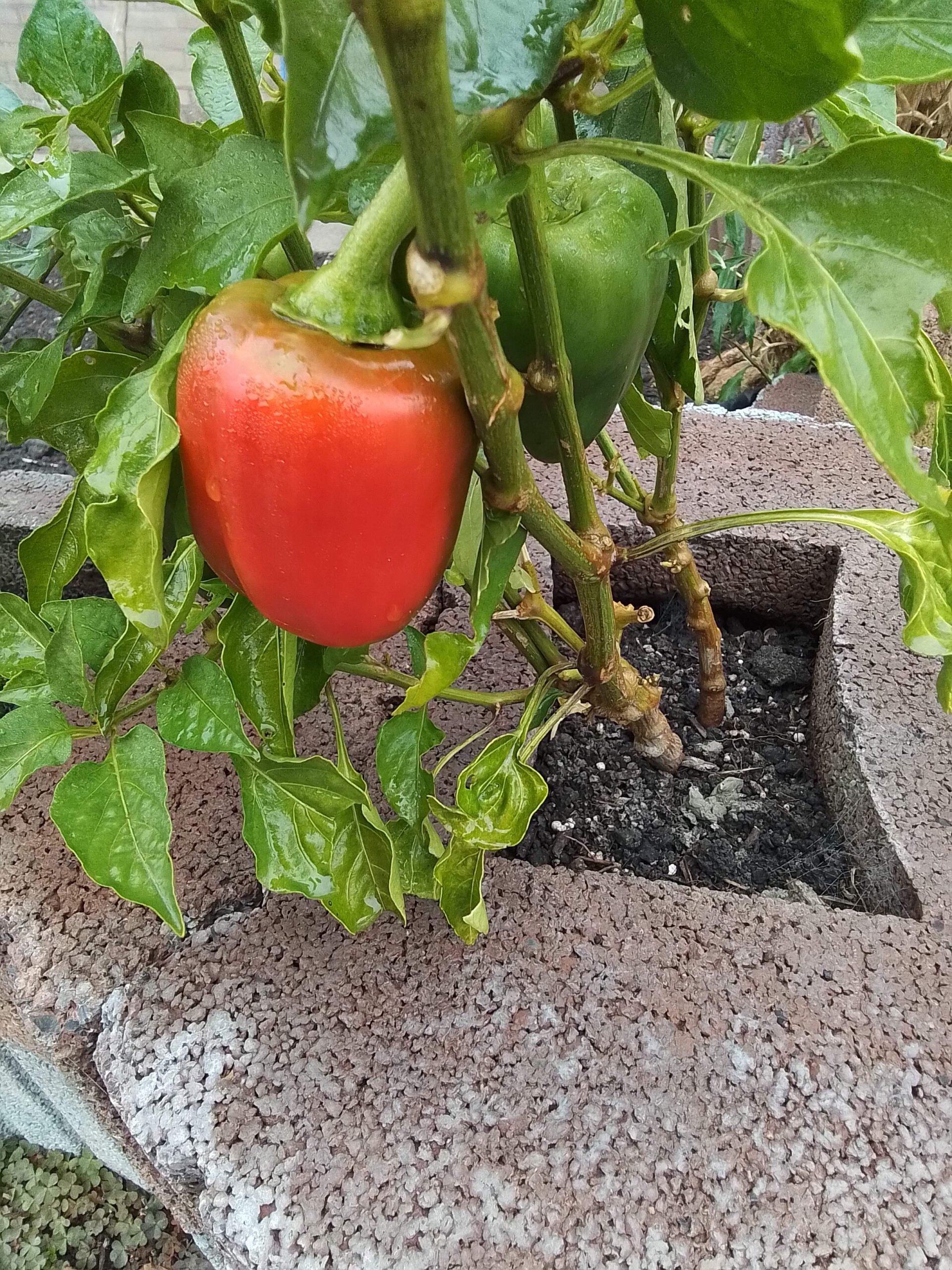
Originating from North America, is named for its vibrant red shade and is known for its short, tapered, and glossy physique; it ripens from green to a deep red, is exceptionally sweet and has mild, juicy flesh.
Very well suited for eating fresh, a good companion in salsas or just roasted on the grill.
GOLDEN PEPPER
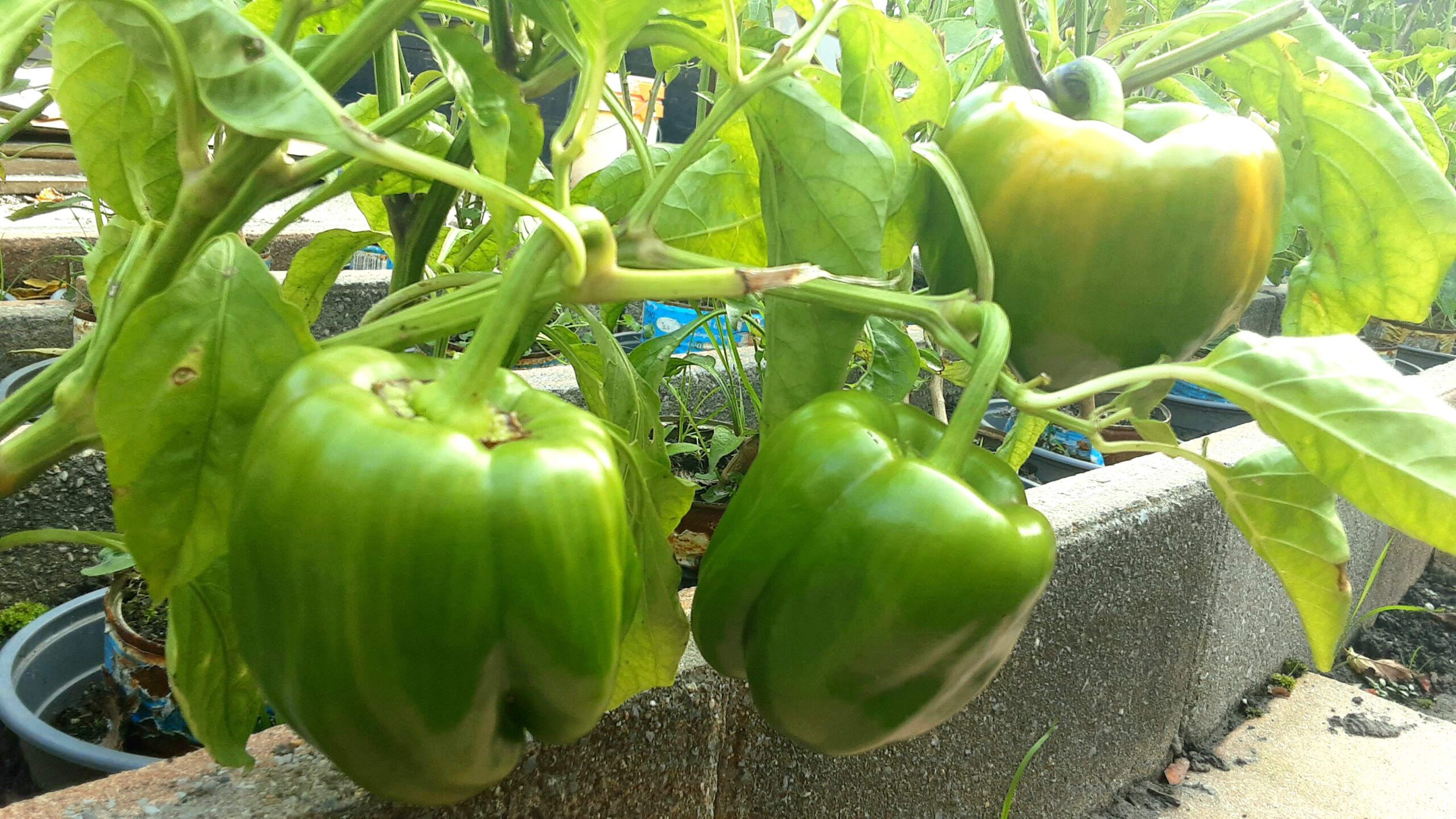
Or “Golden California Wonder” turns from green to black and then turn back into a warm, bright yellow as its natural sugars develop. The red bell pepper, left to ripen longer, deepens into a full red tone after getting black marks, richer in both color and flavor.
These changes happen slowly under the summer sun, and while the Netherlands may not have the intense heat of southern climates,
its long daylight hours compensate beautifully ripening the fruits evenly and giving them a milder, sweeter taste.
By late August and September,
the plants reach their peak.
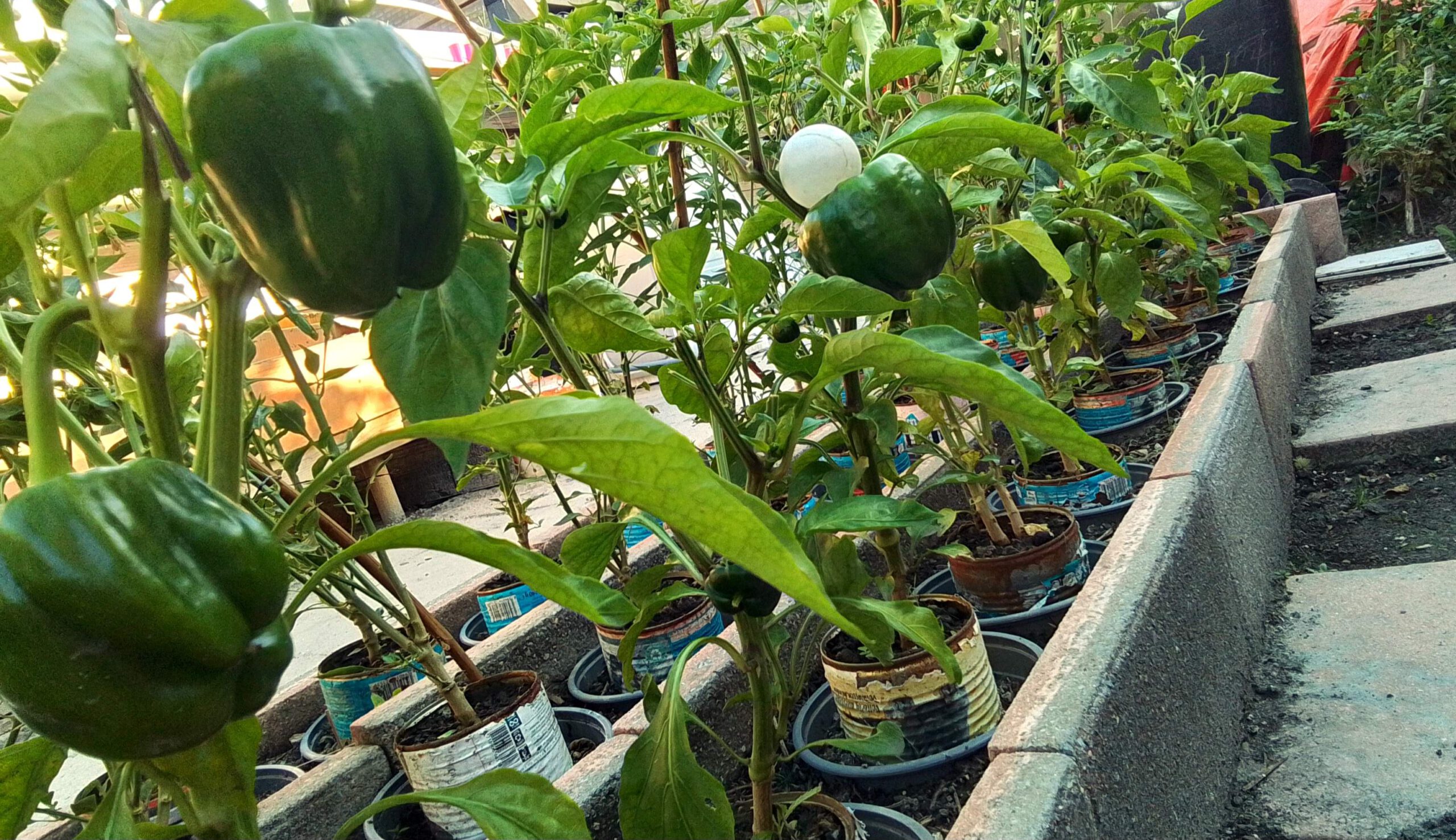
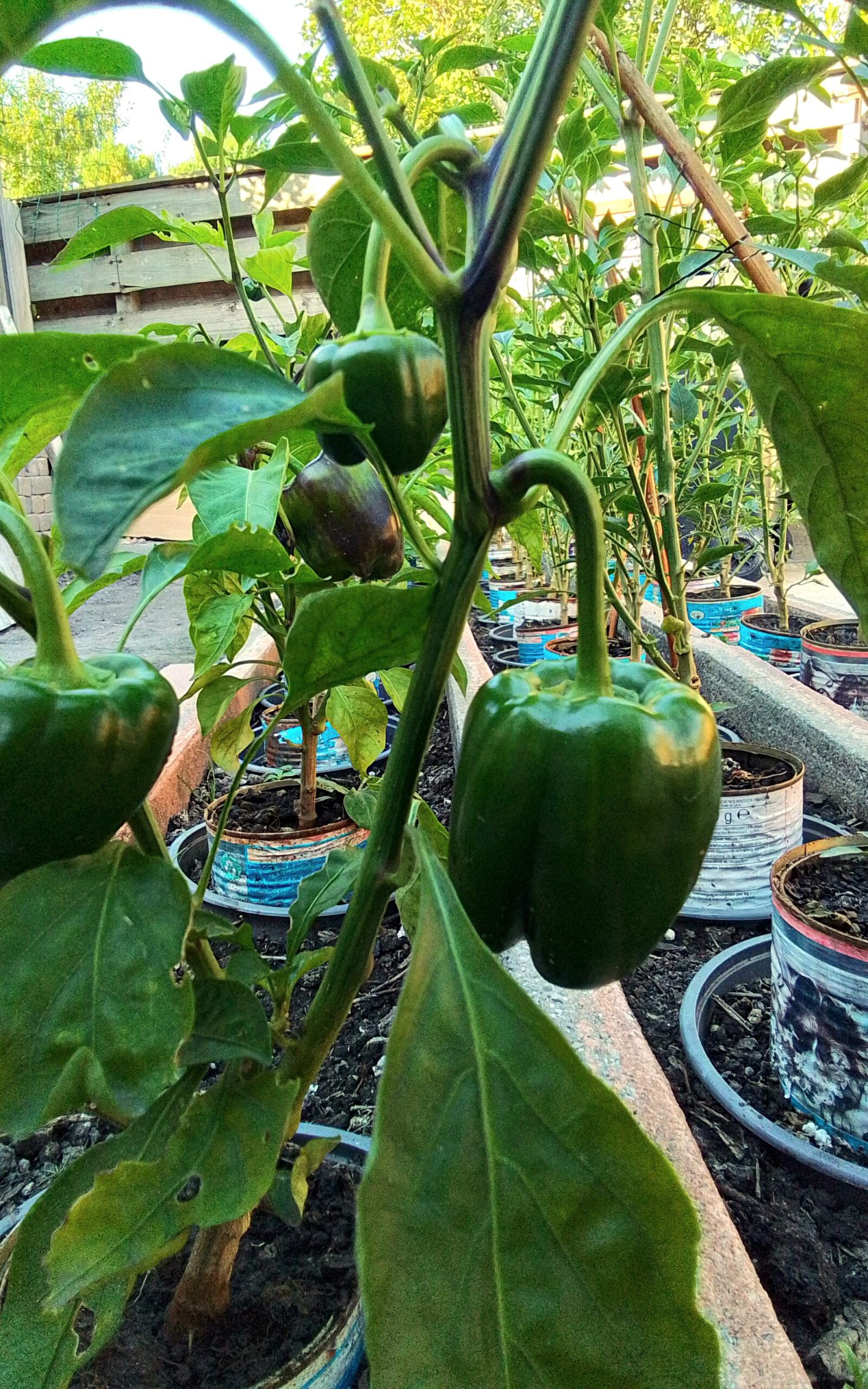
The peppers are fully formed, firm, and glossy, each reflecting the slow, careful work of the sun. Harvesting is done by hand to avoid bruising the delicate skins.
At this stage, every pepper tells a story of Dutch summer moderate temperatures, generous daylight and the steady rhythm of natural growth.
Sweet bell peppers grown outdoors in the Netherlands are not only beautiful to look at but also a symbol of sustainable cultivation in temperate climates.
They show that even without extreme heat, patience, care and sunlight can produce fruit that’s bright, crisp and naturally sweet.
GROWING SWEET BELL PEPPERS IN THE NETHERLANDS
Sweet bell peppers known for their crisp texture and mild, fruity flavor are a rewarding crop to grow in Dutch gardens. Despite the Netherlands’ moderate climate, varieties such as the Golden Bell Pepper,
the Red Bell Pepper and the California Wonder perform well outdoors when given enough warmth, sunlight, and care.
GROWING CONDITIONS
Bell peppers are warm-season plants that thrive best when daytime temperatures stay between 20–30°C and nights remain above 13°C.
In the Netherlands, this means they’re typically planted outdoors after mid-May once the risk of frost is gone.
THEY PREFER:
FULL SUN
At least six to eight hours of direct sunlight daily.
WELL DRAINING & FERTILE SOIL
Ideally with added compost or aged manure.
A SHELTERED SPOT
Protection from strong winds helps the plants stay upright and keeps fruit development even.
Because Dutch summers can be unpredictable, some gardeners use cloches, plastic tunnels, or small greenhouses early in the season to keep the soil warm. Once the weather settles, the plants can continue growing uncovered.
FROM SEED TO SEEDLING
Seeds are best started indoors in March or early April. They germinate well at around 25°C, so keeping them in a warm spot or using a heat mat helps. Germination takes 1–2 weeks.
Once seedlings have two or three sets of true leaves, they can be potted on into slightly larger containers to encourage strong root growth.
Before transplanting outdoors, harden them off gradually exposing them to outdoor conditions for a few hours each day for about a week.

TRANSPLANTING OUTDOORS
When the soil has warmed and frost is no longer a concern (usually after May 15 in most of the Netherlands), the young plants can go into the ground. Space them 40–50 cm apart in rows about 60 cm apart.
Adding a layer of mulch helps retain soil moisture and keeps weeds down. Bell peppers like consistently moist soil, but not waterlogged conditions, so regular, moderate watering is best, especially during dry spells.
CARING FOR PEPPERS
As the plants grow, they benefit from:
Regular feeding with a balanced fish and potassium calcium rich fertilizer every 2–3 weeks once flowering starts.
Staking or supporting the plant, especially for the strong winds in the Netherlands tear off the roots, because the heavier California Wonder variety produces large, thick-walled fruits.
Pollination occurs naturally outdoors with help from the wind, bees, butterflies and other insects.
RIPENING & HARVEST
All bell peppers start green. As they mature, they develop their final color and sweetness:
1. GOLDEN PEPPERS
Turn a bright, sunny yellow.

2. LIPSTICK PEPPERS
Deepen gradually to rich red tones.

3. CALIFORNIA WONDER PEPPERS
Can be harvested green for a mild flavor or left to turn red for a sweeter taste.

Outdoor peppers in the Netherlands generally ripen from late July through September. The long daylight hours of northern summers help compensate for the milder temperatures, producing fruits that are firm, sweet and full of color.
As autumn approaches and nights cool down, growth begins too slow.
Before the first frost, pick any remaining green peppers; they can finish ripening indoors in a sunny window.
Use red transparent sheets for ripening superfast behind a window sill.

Are these Varieties Worth Growing?
GOLDEN PEPPER
Sweet, mild and visually striking; excellent for salads, sauces and roasting.
LIPSTICK PEPPER
Perfect for fresh eating, salsas or roasting due to its deeply sweet flavor; high in vitamin C and beta-carotene.

CALIFORNIA WONDER
Reliable and productive, with large blocky fruits and great taste; well-suited to Dutch summers.

A BRIGHT REWARD
Growing sweet bell peppers outdoors in the Netherlands requires patience and attention to warmth, but the reward is unmistakable.
By late summer, the garden fills with color. Golden, red and green fruits shining against dark leaves.
Each pepper is a result of careful tending and long summer days;
a true reflection of what Dutch gardeners do best: working with the light they have to grow flavorful sweetness, bright colors and huge fruits full of nutrients.

Fan of growing veggies and like to try growing your own Dutch horticulture bio seeds,
Some D666’s seeds are waiting for you to be sent to your adress from our webshop portal.
https://www.devilscolors.nl/webshop